Traveling with children isn’t always easy, but it’s almost always worth it — especially when the destination gives you space to explore without the stress. That’s exactly what Lombok offered us.
We’re a family of four from Melbourne: myself, my husband, and our two kids, aged 6 and 9. We were looking for something different from Bali this time. Something quieter. Something more personal. And we found it on a beautifully organized Lombok daily tour with kids, thanks to a warm-hearted guide named Gus.
A Local Welcome, with No Pressure
The day started gently. Gus arrived at our guesthouse in Senggigi with a smile that instantly put us at ease. He greeted the kids by name, knelt to their level, and handed each of them a fresh coconut with a little umbrella on top. You should’ve seen their eyes light up.
“I thought we’d go slow today,” Gus said, “follow what the kids enjoy, and adjust along the way.” That one sentence told me we were in the right hands.
We had a plan, of course — waterfalls, traditional villages, maybe a quiet beach — but it wasn’t rigid. It was more like a map drawn with a pencil, open to edits based on mood, weather, and attention spans.
First Stop: The Monkey Forest That Felt Like a Storybook
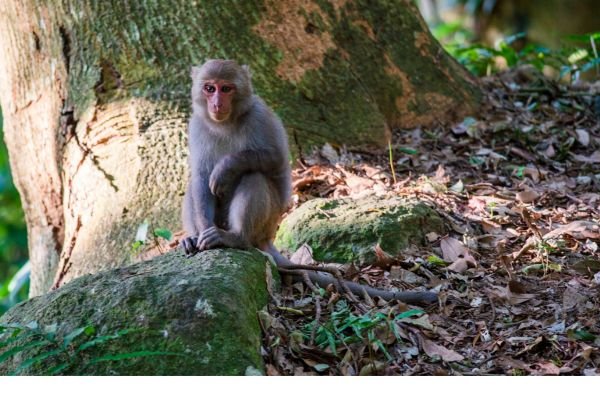
Our first destination was a small monkey forest near Pusuk Pass. Not the kind filled with tourists holding bananas and selfie sticks, but a shaded, quiet stretch of road lined with trees and curious long-tailed macaques.
The kids were amazed. Gus had brought some corn and peanuts, which they gently tossed to the monkeys under his watchful eye. He taught them how to be respectful: “Don’t chase. Just observe. They’ll come to you if they’re curious.”
It felt more like a nature walk than an attraction. The kids weren’t just entertained — they were engaged. Curious. Present. That’s not easy to pull off when screens usually do the work.
A Hidden Waterfall and a Cold Surprise
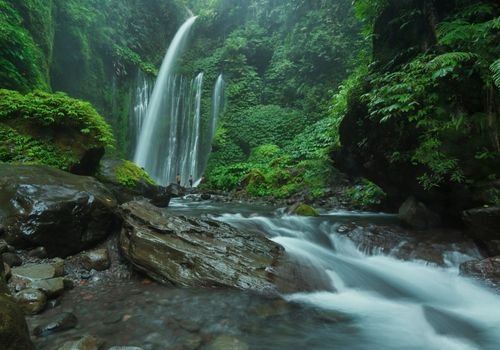
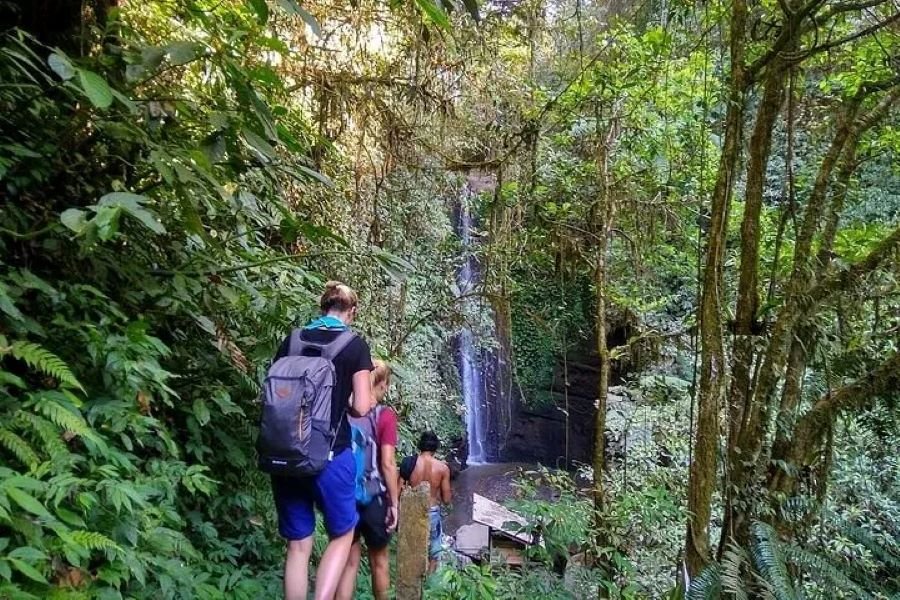
Next up was Benang Stokel waterfall, one of Gus’s favorite spots for families. The walk there was shaded and easy enough for little legs. Along the trail, he pointed out wild plants, explained how locals use certain roots as medicine, and let the kids try balancing baskets on their heads like the women they’d seen in the village.
When we reached the waterfall, the sound of rushing water echoed through the trees. The kids squealed with excitement and ran ahead — shoes off, arms wide. The pool beneath the fall was chilly, but that didn’t stop them from jumping in, shrieking as the mist cooled their sun-warmed skin.
My husband and I sat on a rock, feet in the water, watching them play while Gus snapped a few photos for us with our phone. It wasn’t a professional photoshoot, but those pictures now live on our living room wall.
An Unexpected Moment in a Sasak Village
After drying off and enjoying a quick snack, Gus asked if we’d like to visit a Sasak village nearby. I hesitated at first — I didn’t want to intrude or make it feel like a show. But Gus reassured us: “They love visitors, especially when you come with curiosity, not cameras.”
And he was right.
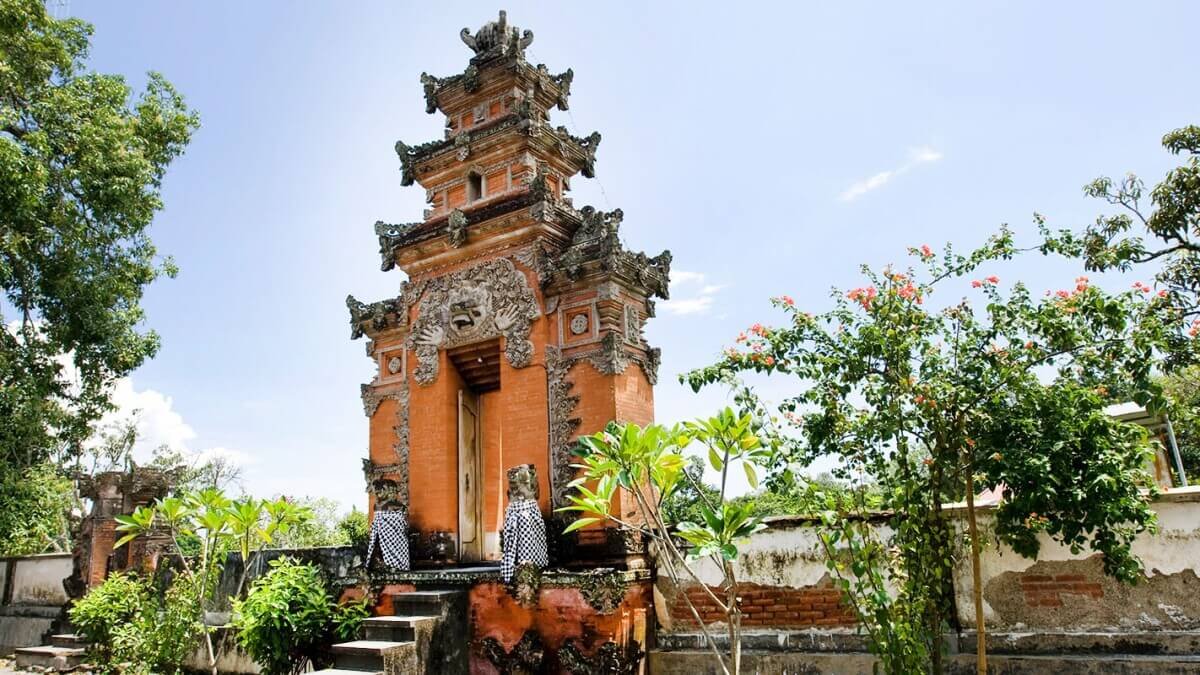
We walked through a quiet village of clay-roofed houses and handwoven textiles hanging in the sun. An older woman invited the kids to try spinning thread. A group of boys showed them how to play a local game using stones and a small wooden board. There was no performance. No pressure to buy. Just exchange.
The kids even tried saying “terima kasih” and “apa kabar” — proudly practicing the few Indonesian words they’d picked up.
Lunch in a Bamboo Hut with a View
By midday, we were ready for lunch. Gus took us to a family-run warung overlooking terraced rice fields. The kids got simple fried noodles and fresh watermelon juice, while we tried a mild curry recommended by Gus.
We ate on bamboo mats, shoes off, listening to the distant hum of insects and the occasional bark of a dog. The breeze was soft. The conversation flowed. It was one of those meals where no one rushed to finish, and no one reached for a phone.
A Calm Afternoon at the Beach
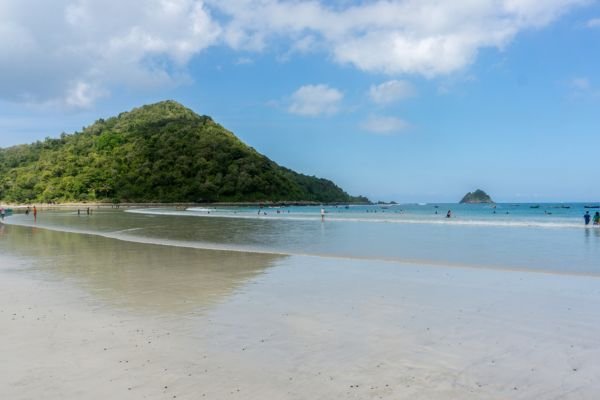
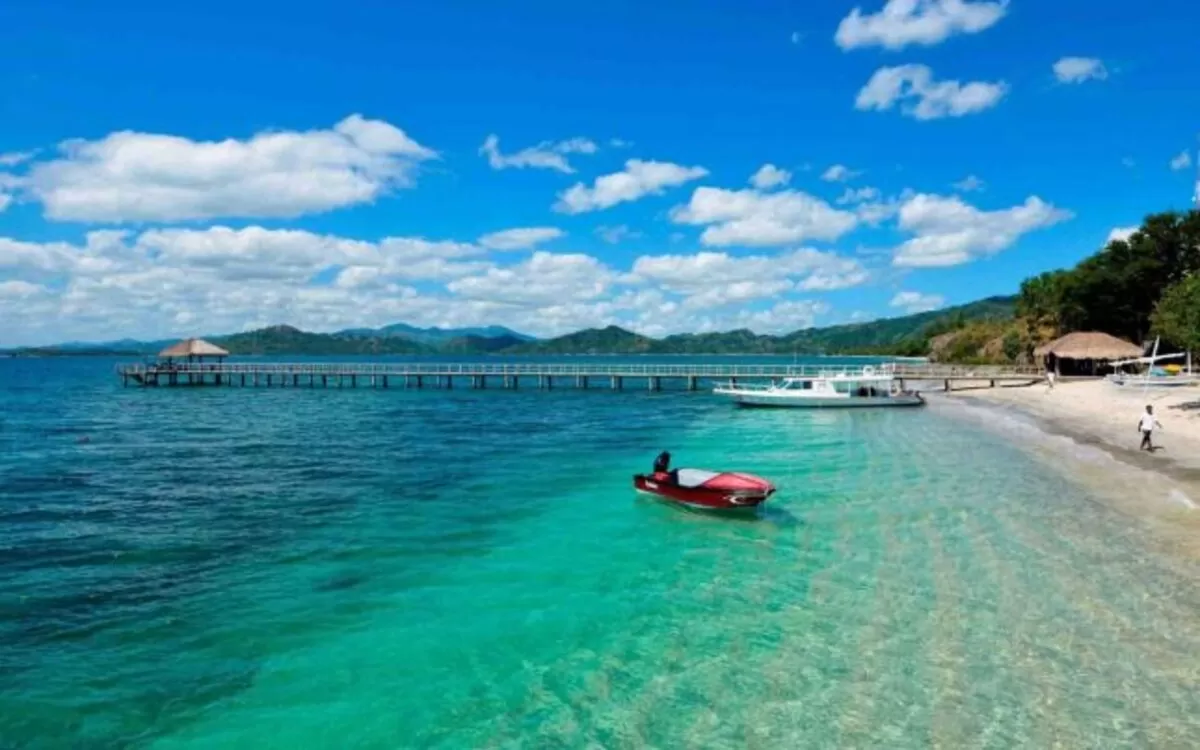
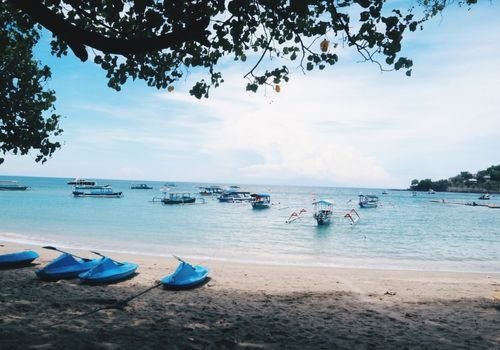
To wrap up the day, Gus suggested a quiet beach near Sekotong — far from the usual crowds. The sand was soft and warm, the water calm enough for even our youngest to wade in safely.
He brought a beach mat, some buckets and shovels, and just let the kids be kids.
They built a crooked sandcastle. Collected shells. Found a crab. Gus watched from a distance, giving us time as a family while always being nearby in case we needed something.
It was the kind of beach day I always imagined in my head but rarely found in real life.
Why It Worked for Us
I think what made this family-friendly Lombok tour so special was the way it never felt forced. Gus didn’t treat the kids like an inconvenience, or just tag them along. He made them the center of the experience — without making it childish.
He adjusted his language, told stories in a way they could understand, and always found the right balance between structure and spontaneity.
We’ve done tours in other places — some too rigid, others too chaotic. This was something else entirely. It felt like being shown around by a friend who happened to know every hidden gem on the island.
What I’d Tell Other Parents
If you’re traveling to Lombok with children and wondering whether it’s doable, my answer is absolutely yes — especially if you connect with someone like Gus.
Here’s what helped us:
- Keep the itinerary light. One or two main stops are enough.
- Let nature do the entertaining. Waterfalls, animals, beaches — no screens needed.
- Have snacks on hand, but trust that your guide will know where to find fresh juice and clean meals.
- Don’t rush. Sometimes the best moments are in the in-between.
Lombok isn’t just for honeymooners or surfers. It’s for families too — if you know where to look.
The Moment That Stayed with Me
As we drove back to the hotel, both kids were asleep in the back seat, cheeks sun-kissed, still clutching the small souvenirs they’d been given in the village.
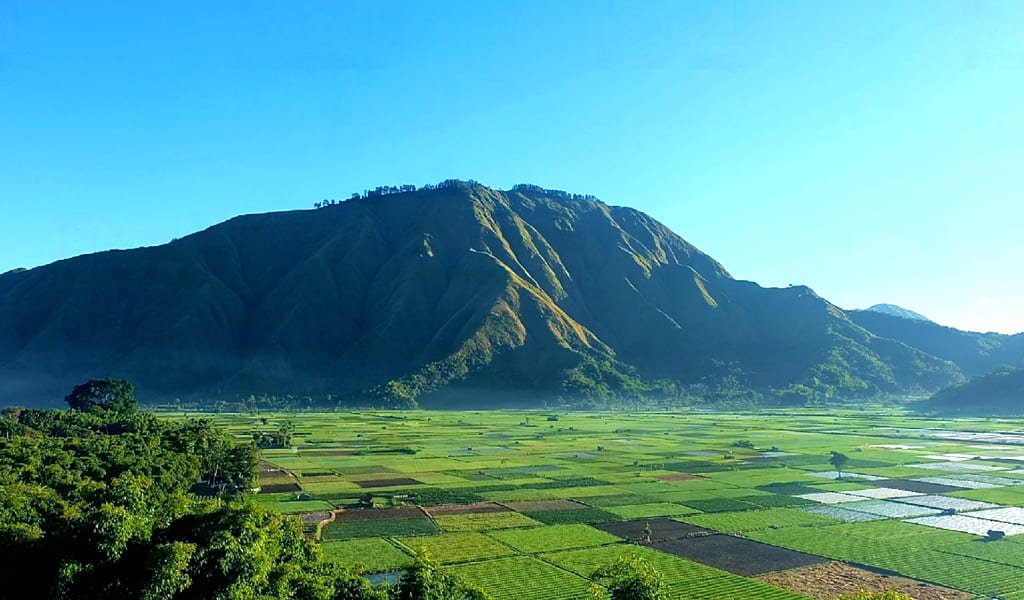
I looked out the window — fields passing, mountains in the distance — and felt a soft sense of joy.
Not because we’d done a lot. But because we’d done just enough.
And we’d done it together.