A lot of people search for a Tetebatu forecast before they leave their hotel.
I understand why.
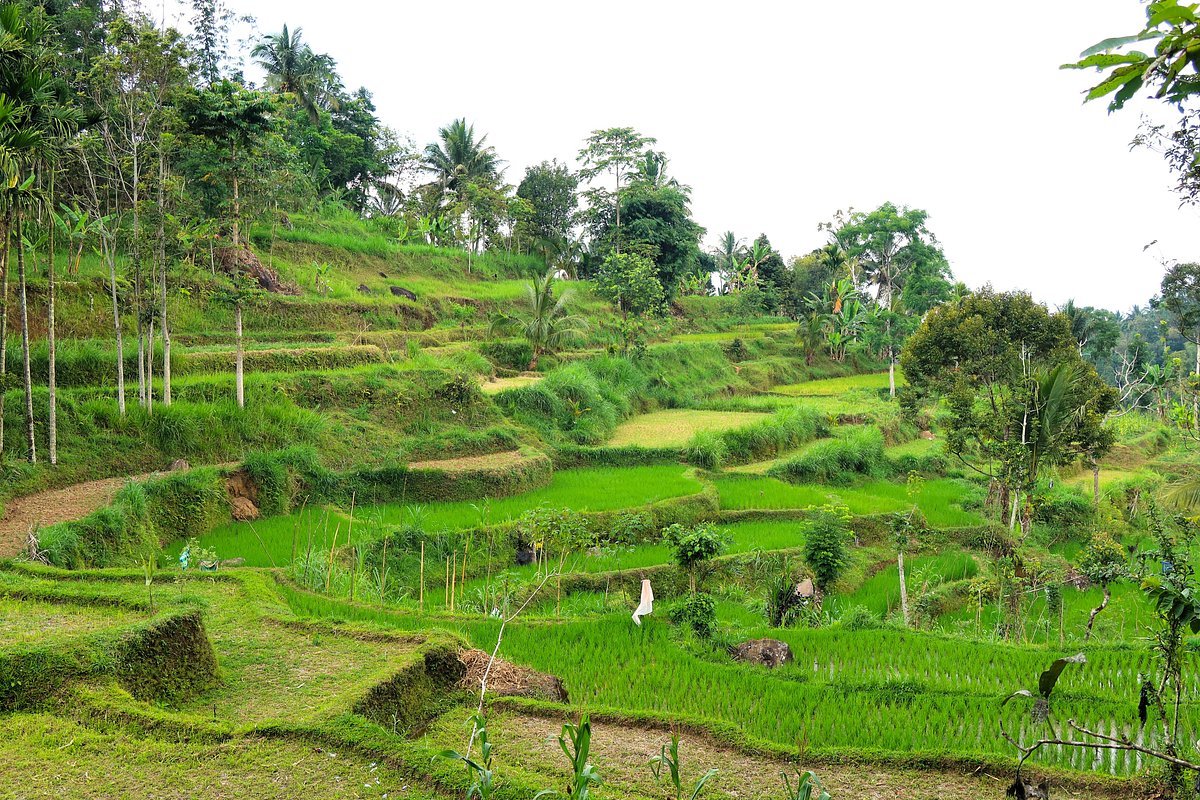
When you look at photos of Tetebatu online, everything seems tied to the landscape. The rice fields. The distant hills. The walking trails that cut through farmland. It feels like one cloudy day could ruin the whole plan.
Then you arrive and realize the village does not really work that way.
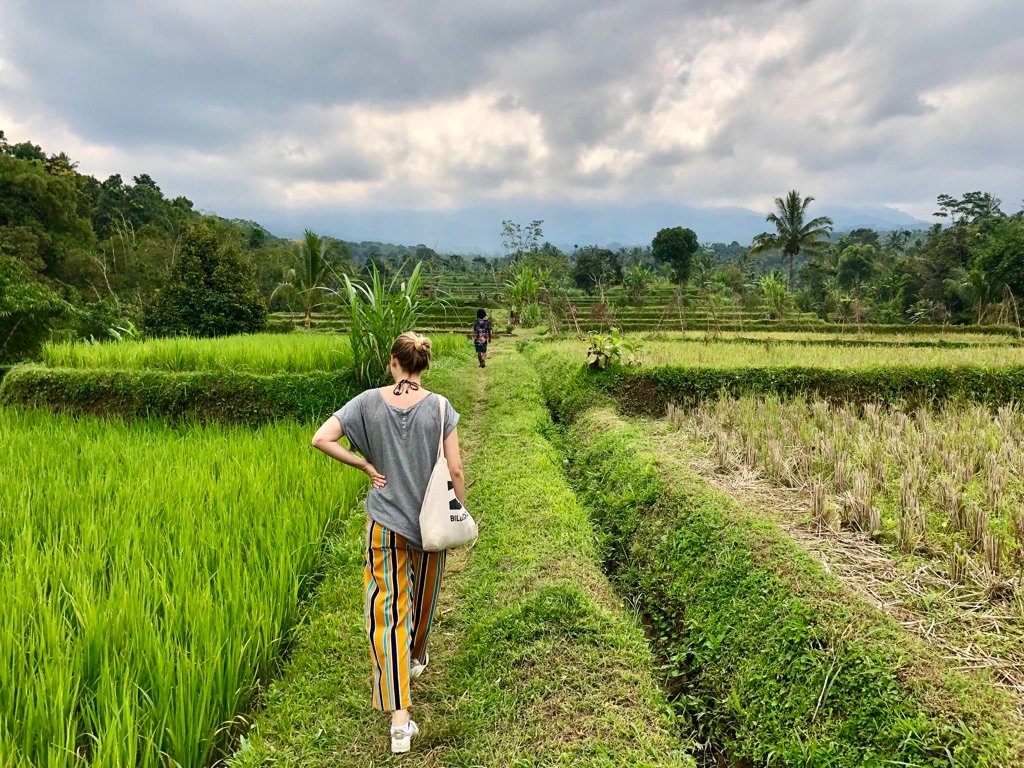
The weather influences the day, of course. But most visitors end up remembering something else. A quiet path between rice fields. Farmers working in the distance. A coffee break that lasts longer than expected because nobody is in a hurry.
The question that matters more than the forecast itself
Many travelers focus on one thing.
Will the weather be good?
A more useful question is how the day should be arranged.
That small shift changes everything. Instead of trying to predict every hour, you start thinking about timing. Maybe the longer walk happens in the morning. Maybe lunch becomes the break when clouds move in. Maybe a viewpoint looks better later than expected.
Travel days are rarely as neat as an itinerary document.
The first impression surprises many visitors
The road into Tetebatu feels different from much of Lombok.
Not dramatically different. Just quieter.
Traffic eases. The scenery opens up. Small farms appear beside the road. In some places you can hear water moving through irrigation channels before you notice where it is coming from.
People expecting a busy tourist area are often surprised by how relaxed everything feels.
That atmosphere remains whether the sky is bright blue or covered with clouds.
A better question than “will it rain?”
Most visitors are not looking for meteorological accuracy.
They simply want to know whether a village walk should happen before lunch or after it.
That is where a Tetebatu forecast becomes useful.
If conditions look less stable later in the day, outdoor activities can be moved earlier. If the forecast looks mixed from morning to afternoon, leaving extra space in the schedule usually works better than trying to squeeze in another stop.
Simple adjustments. Nothing complicated.
Travelers who want more time around the countryside often choose a dedicated Tetebatu village tour. The pace is usually slower than people expect, which is part of the appeal.
Too many stops create more problems than rain
This catches visitors off guard.
Rain is not always what makes a day feel rushed. A packed itinerary does that far more often.
A viewpoint takes longer than expected. Someone wants another coffee. A short walk turns into forty minutes because the scenery is worth lingering over.
Suddenly the schedule starts working against the trip.
Private transportation is popular for exactly this reason. The day can adjust as it unfolds rather than forcing every stop into a fixed timetable.
Seeing different sides of Lombok
Tetebatu shows one version of the island.
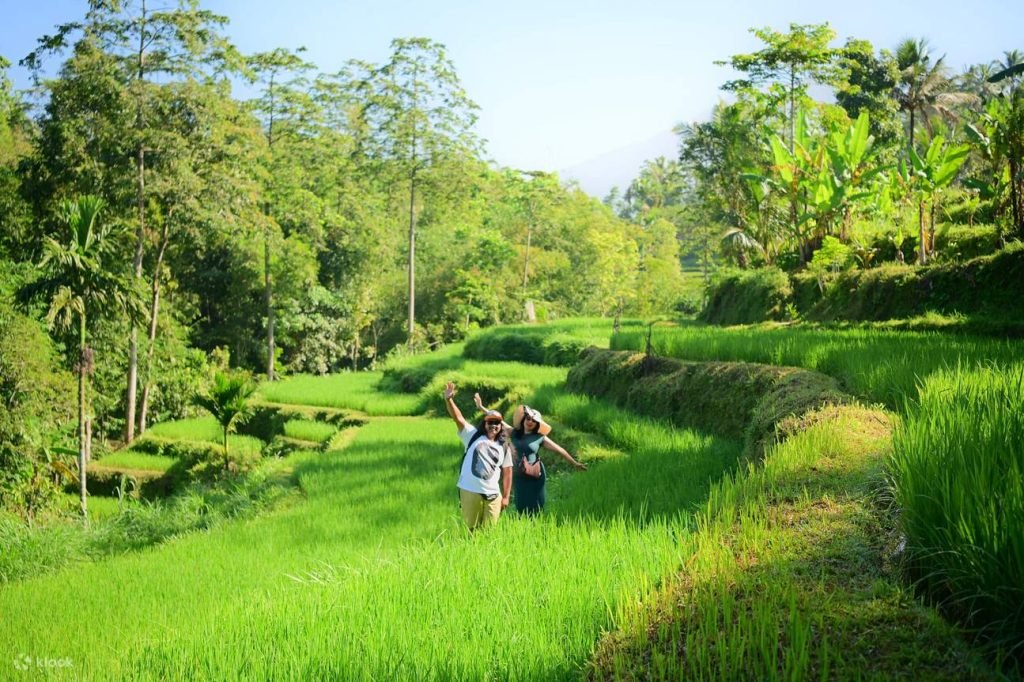
Green fields. Rural scenery. Slower roads.
Then there is the south.
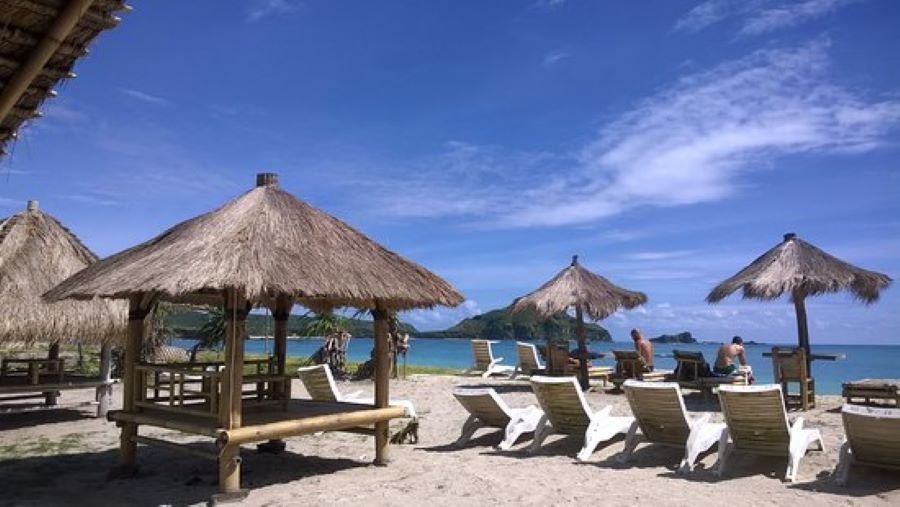
A traveler might spend one day around Tetebatu and another exploring beach Kuta Lombok. The contrast is immediate. Different landscapes. Different atmosphere. Different rhythm.
That variety is one reason people enjoy moving around Lombok rather than staying in a single area.
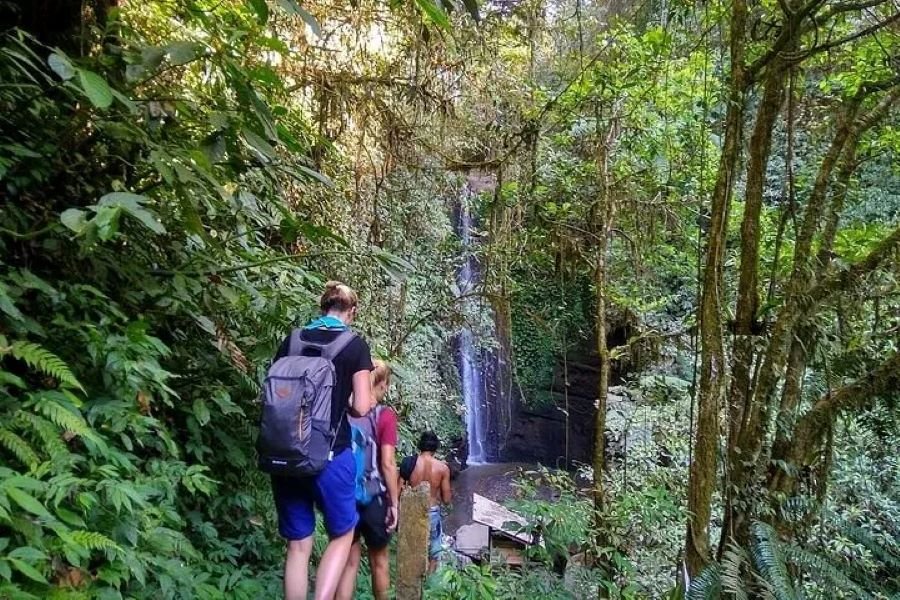
Waterfalls rarely follow a fixed script
Anyone planning waterfall visits should pay a little more attention to recent conditions.
Trails change. Ground conditions change. Visibility changes.
None of that automatically means a trip should be cancelled.
It simply means local information close to the travel date is often more useful than a prediction checked a week earlier.
The same idea applies to routes that include Tetebatu Gowa. Conditions are never frozen in place. A little flexibility usually produces a better day.
Before leaving for Tetebatu
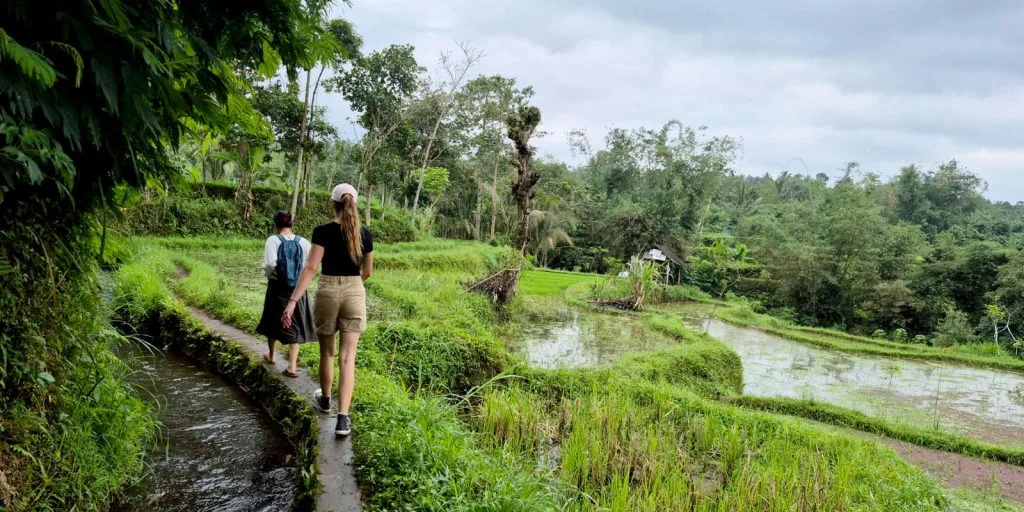
A quick check of the latest Tetebatu forecast is enough for most visitors.
- Look at the latest weather update.
- Leave breathing room in the itinerary.
- Bring light rain protection if needed.
- Confirm local conditions close to departure.
That is usually all it takes.
The days people remember are often the unpredictable ones
No weather app tells you when sunlight will suddenly break through a cloudy valley for a few minutes.
It does not mention the sound of water running beside a rice field. It cannot predict the moment you stop for a drink and end up staying longer because the view is difficult to leave behind.
Those details arrive on their own schedule.
That is also why many travelers look at a Tetebatu forecast before setting their departure time.
So yes, checking a tetebatu forecast is useful. Just do not let it become the entire plan. The forecast helps shape the day. It does not define it.
If you are building a Lombok itinerary and want local input before deciding on routes, pickup points, village walks, transfers, or day trips, send a message to Gus Lombok Driver through the official website. Share what kind of trip you enjoy, and the team can help suggest a route that feels realistic rather than rushed.